5 Ways to Improve your Drumming Speed

Photo Credit: Mark Latham

Guest Blog Post by: NetSoundsMusic.com


Playing drums requires a little bit more physical effort than many other instruments. While many instruments require correct breathing and fingering techniques, and some utilize pedals as well, drummers are constantly using their whole body, including not just fingers or hands, but the whole arms and both legs. This is why drumming for prolonged times is very draining, especially at higher speeds.

Certain genres of music have high tempos as a defining trait. Speed metal, techno, trap and some types of folk music require you to consistently play 16th notes (or even 32nd notes!) at very high BPMs. But even classic rock or chillstep songs can have faster passages, sometimes known as speed-bursts, or a very intricate drum solo that is hard to execute because of the combination of speed and unpredictable, almost pattern-less lines.

Getting up to speed is not exactly easy. It is required that you physically practice playing at higher speeds, that you understand how muscles work, and to mentally recognize, feel and hear the 16th notes even at very high speeds. It is definitely a steep learning curve.

So, where to start? How about relaxing a little bit first.

1) Learn to play slow and precise:

This is a tip that has been repeated so often that it has completed its route from being the most popular advice to being the most hated one. Yes, learning to play slow will not increase your speed directly, but that is not the point. The point is to hear the beat and to get accustomed.

By playing slow, we mostly mean playing at slower tempos. Keep in mind that while playing at slower tempos, you can still add in speed bursts in form of 16th or even 32nd notes. That means that at a lower BPM, you can still play faster than when you play a high BPM. 16th notes of a lower BPM are still faster than many 8th notes of a high BPM. The low BPM simply makes it easier to get into the whole speed-game and it enables you to actually feel what you’re playing.

2) Relax your muscles as much as possible:

The second reason why you are supposed to slow down at first is to learn to relax. At higher speeds, we tend to tense up, and tension slows us down. So, to be able to play fast, you need to learn to control your movement, breathing, and tension. This requires a lot of mental effort and will take some time to get accustomed to.

Playing relaxed doesn’t mean playing quietly or slowly, though. It means that you are simply not straining a much as you probably do right now.

3) Start off slow and increase the BPM:

This is another widely repeated advice that is not wrong and that it is helpful, but please keep in mind that this is only part of the whole learning process. Learning a song part at a lower BPM, then increasing it is going to help you track your movement and get the precision down before getting the speed under control.

You can even take songs that you know and “over practice” them to get them down properly. Many rock acts play their songs at higher tempos live, which is both a way to reduce the duration of the venue and fit in more songs, but also gives a certain kick to the songs that are increasing the unique feeling of a live concert. Practicing along recordings of live performances might be a good idea for you.

4) Practice smaller parts at high tempos:

While learning how to play a hard drum solo slowly and then working your way up the metronome, another way is to learn the solo part by part with very small segments played at the correct tempo.

This will help you get down the movements at the correct time and then all you have to do is put them together. This is very effective and becomes even more useful once you get better and playing fast because you will be able to learn and master solos this way much faster.

5) Practice speed bursts and double the amount of notes:

Another way to use lower BPMs is to practice speed bursts. Add to your patterns a small and short solo line or bridge that lasts only for one bar or even less. Or double the number of notes.

This can be done by simply doubling what you are playing. For example, instead of a single kick, you can either play with a double bass drum set very fast or use a double bass drum pedal to add a second kick to the first one.

You can also create more solo-like lines from time to time. Lastly, you could try to consistently add a cymbal throughout the whole song, essentially changing the 8th note feel to a 16th note feel, though doing this consistently might not be very musical and also very difficult to pull off.

6) Be comfortable with your gear (Bonus)

As mentioned in the beginning, being relaxed is very important. This includes being used to your gear. Make sure you find the correct type of sticks and the best throne that fits your needs.

Experiment with different drum setups and don’t be afraid to change up your layout. Getting two bass drums or a double kick pedal might seem like a big change, but everything can be learned and mastered. Some setups work better for faster styles than others, so make sure to check out and draw inspiration from jazz, prog, and metal drummers to see how they are dealing with faster parts.

Summary:

Learning to play fast cannot be done in a day, and mastering high BPMs can take a very long time. One thing that is sure is that it can be done with enough practice and patience. Try out different methods and don’t be afraid to search for inspiration out of your comfort zone. There are many different genres that utilize fast drum lines, so try expanding your musical repertoire. And should you get stuck, don’t panic.

Stagnation is a normal phase that we all go through from time to time and sometimes it can feel that you haven’t progressed in weeks or even months. But this will go away. Play fun songs that you are comfortable with and with each song, your brain and muscle memory will passively pick up certain details that will help you increase your speed later on.

Peter has a passion for music since he was 12 years old. Enjoying jamming and teaching, he runs Net Sounds Music, a space to learn and get involved with music.
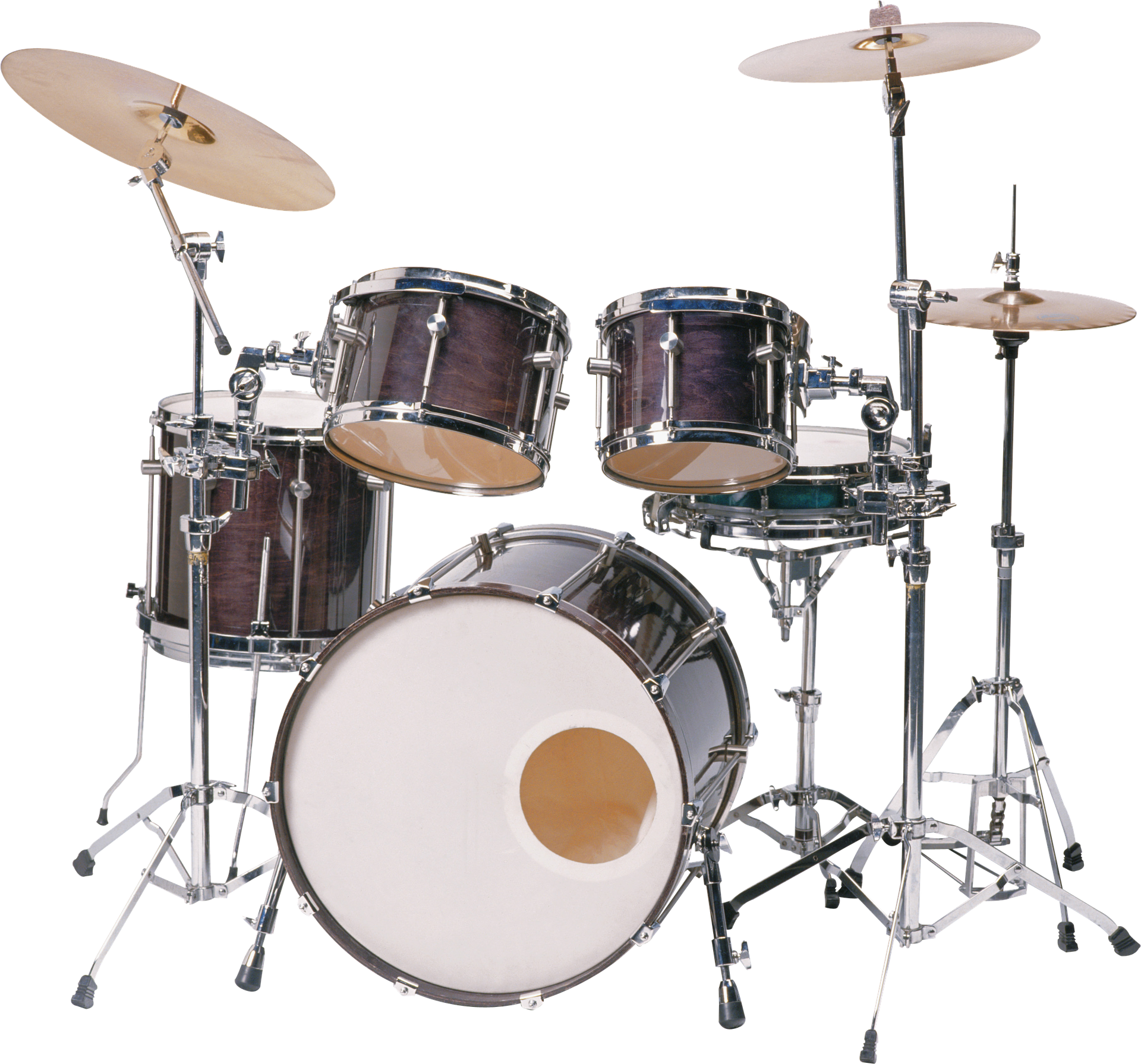
Choosing Your First Drum Kit Made Easy

Image credit: Alexander Lesnitsky from Pixabay.

In cooperation with consordini.com.


When picking out or setting up a drum set, a lot of people run into challenges during the process. Unfortunately, this is because they do not know what to look for.

People struggle with how much money to spend, what they should be concerned with, and what will make their experience the best one possible.

With many newbies never playing drums in their life before, they do not even know what sound they are going for with their drum set. This can be a very, overwhelming experience.

So, instead of being frustrating with your drum kit experience, enjoy the time you spend on picking the best drum set for you and your lifestyle.

Drumhead Decisions

Drumheads are one of the most overlooked parts of the drum set. In reality, the thicker the drum head, the darker the sound becomes. In turn, there is a low amount of resonance, but a higher pitch overall. Currently, some of the head options you could look into include Evans and Remo.

On the other hand, if you are someone who likes the sounds of a thinner head, then you probably like a bright sound. With extra resonation, these drum heads do not need much to make an incredible sound. Drummers, who use these types of heads, usually are playing in a quieter atmosphere, where the drums do not need to be played loud.

One of the last drumhead decisions you should consider is whether or not you want a coating on your drumheads. Having a coating is great for adding a darker sound, so pairing with a thick drumhead can create amazing controlled action. Without a coated head, you can expect a great attack and bright sound. Usually, coated drumheads are seen on the snare drum.

The Right Size

Some people may see a drum set and just expect it to be good, but there are actually a few decisions that will make your drum playing experience a great one. If you are into jazz music, a four-piece trap will do the trick nicely. The bass drum needs to be either 18” or 20”, the toms can be 10” or 14”, and a 14” snare is best.

Other kits, like the 5-piece variety, usually have a bass drum at 22”, toms at 12” and bigger, and a 14” snare, similar to the jazz trap set-up. With a bigger sized drum kit, drummers will not be limited to one style, but a multitude of styles.

Not everyone is up for a 6-piece set, but you might be interested. If you are looking for great flexibly, you can add a 16” tom for the floor to play any style of music on the planet.

Marvelous Materials

With anything, some people are not really concerned with what things are made of, but rather if the product works and if it is efficient for what it is used for. However, you should be aware of what shell material your drums are made out of.

Let’s start with maple. This material is perfect for jazz and acoustic sets. If you are looking for a material that brings the punch, birch is the material for you. Additionally, there are hardwoods, like mahogany, that provide a great tone, too.

In terms of price, birch and maple material will be the most expensive, so some first-time drum buyers might steer clear because of the cost. Before purchasing, consider demoing the material and then make your crucial decision. This can be a fun, yet informative experience that will only take an hour or so.

Extra Hardware

Drum heads and drum material barely scratches the surface with any drum set. You will still need to purchase things like the throne, stands, and pedals. With the throne, this is an item that gets a lot of use. Make sure that you pick a throne that is comfortable to sit on. Your backside will appreciate it. Look into thrones like Tama, Roc N Soc, and Pork Pie.

A high-end bass pedal should also be on your radar. This type of pedal can adapt to any type of style, and it can last a lifetime. Look into brands like Tama, Mapex, and Pearl to help you on your way.

The last hardware of importance should be the stands that hold your drums and cymbals. Sure, many of the sets that are purchased today come with stands, but usually they are low-end.

Upgrading this part of your set can go a long, long way. Some people look for durability in their stands. This is when double-braced legs are your best friend. If you move your trap around a lot, use legs that are single-braced.

Sensational Cymbals

The last piece of the puzzle involves cymbals. Picking the right cymbals really personalizes your set. There are two different cymbal materials to choose from: bronze that is casted and sheet bronze. Casted bronze has a wide-ranging tone, while sheet bronze is more inexpensive with less tones to account for.

When it comes to casted bronze, check out brands like Sabian and Zildjian. On the other hand, for sheet bronze, identify brands like Paiste, Zildjian, and Sabian. By investigating these brands, you will have a group of cymbals that mess well with one another, depending on your decision.

The Big Finish

With all the information above, you will definitely not be frustrated with your first-time drum buying experience. Ultimately, remember that your best option is to check out sound demos, go to a local shop, or try a friend’s trap out for good measure.

Do not just go through the process in a hurry. The more time you take, the better you will feel about your purchase. Then, you can just enjoy your drums and get to work honing your drum skills.


Find more articles like this at consordini.com

Hybrid Drums – The Fusion Between Acoustic and Electronic Drums

Photo Credit: Mark Latham

Guest Blog Post by: Electronic Drum Advisor

Acoustic drum sets are very difficult to replicate electronically in both presence and sound. However, they do not always contain enough variety to meet the sonic expectations of modern audiences.

This poses a problem for modern bands. Full electronic drum sets are often ruled out as an option for many valid reasons, but what about getting the best of both worlds? This is where Hybrid drums come in.

Hybrid drums are the fusion between acoustic and electronic drums. Drummers simply augment their current drum kit with electronic elements such as triggers, pads, and drum modules.

These setups can get very interesting, particularly when you interface the electronic drumming elements with other music gear and DAW software on your computer using MIDI.

This article also explains the benefits of hybrid drumming for live sound, particularly when it comes to the punch of your bass drum for smaller live performances.

Using electronic elements in your drum set

Hybrid drum kits do not often come as one big package. The items are generally purchased and organized separately. This is all about creativity and personalization.

Electronic drum pads are a great and simple option to start implementing electronic sounds. You can place pads such as the Roland SPD-SX or Yamaha Multipad right next to your drum set and hook it up to the PA system.

These types of pads can produce a very wide variety of sounds, such as claps, percussion, bass notes, synth loops and much more. You can also import your own custom sounds or hook the pads up to other gear or production software using MIDI.

Another fantastic option is through the use of drum triggering technology. These simple items attach to drum heads and can trigger external sounds on other music gear. You can usually even connect them to your sample pads.

One of my best tips is to mount a dual-trigger to your snare drum. This makes the snare rim a separate triggering surface that you can use to produce a clap or other effect sound.

Trigger bars and pads are useful for electronic elements that you can place in convenient locations around your drum set. These can be great for discrete electronic additions to your kit.

Triggers and pads require a sound source. This can be done using an electronic drum module, a drum trigger module, a sample pad, or other music gear.

If you already own an electronic drum set, you could use the ‘drum brain’ from this as your sound source.

Combining elements in the live mix

Acoustic and electronic elements can be combined nicely in your live mix using hybrid drum setups. For example, you can set up microphones on your acoustic drums while also amplifying sounds from your pads and triggers.

If you are mixing two sounds together, it is useful to blend the electronic sound in. For example, a good quality drum trigger modules allow you to alter the pitch of the electronic sample to match the sound of the drum head.

The most practical use for this is the kick drum in live performances. Drummers that need a serious punch sound out of their kick drum are often disappointed by small venue sound systems. Blending a triggered, club-style electronic kick sound can often achieve very impressive results.

Many metal drummers have been using triggers on their drum heads for years. However, this has caused some controversy because drummers have been using them to compensate for lack of power when executing fast double-kick strokes.

The best music genres for hybrid drumming

Genres that contain strong electronic elements such as pop and dance are perfect candidates for hybrid drum sets. Drummers can trigger samples and effects that are relevant to the style.

Hybrid elements are especially interesting for experimental acts and live electronic music producers. The modular nature of these items often fit very nicely with these setup types.

However, more subtle uses of hybrid elements can be used across a wide variety of music styles. For example, drummers for wedding and cover bands could opt to trigger their drums instead of using microphones. This could improve their live sound, as well as making sound check and pack down a whole lot easier.

Using a full electronic drum set

The majority of drummers do not consider electronic drum sets as an option for playing drums live. However, top-end sets can actually simulate standard drum sets extremely well. They also work great in spaces where an acoustic set is simply not an option.

If you are in doubt, try out the current top-end electronic drum sets such as the Roland TD-50 or the Yamaha DTX900 in a local music store. These resemble nothing like the kid’s toy image you might conjure up when thinking of an electronic drum set.

These might set you back a lot of money, but they are the closest we currently have to electronically simulating a full drum kit. Check out this guide on Electronic Drum Advisor to explore these options.

Conclusion

There are some disadvantages of electronic drums over regular kits. The cymbal pads can sound a little fake and the kick pad can lack the presence of a 22-inch bass drum.

However, combining what’s great about electronic drum sounds with your acoustic drum kit is the best of both worlds.

Using electronic elements can improve the range and quality of sounds for your live performances. You can start with a few small items and then expand the sound of your kit from there.


This guest blog post was written by Electronic Drum Advisor.